Porto Day Tours
I’m Serious Day Tour Man AI, your day trip expert. Ask me anything — where to go, how to get there, and what’s actually worth your day.
Porto’s headline day trip is a railway: the Linha do Douro leaves the azulejo-walled São Bento station and runs into the world’s oldest demarcated wine region along the river itself — a line routinely ranked among Europe’s most beautiful, for less than the price of two glasses of vintage port at the destination.
The rest of the radius: Portugal’s birthplace and its most theatrical staircase share one northern day, a canal town paints its boats like carnival floats an hour south, and a library so beautiful it keeps bats on staff guards its books at Coimbra. The city block settles the port-lodge sort, the Lello queue, and the francesinha truth.
Here’s what’s worth a day, with real times and honest trade-offs.

Popular Day Trips
Douro Valley
The River Train to Pinhão and a Quinta or Two
Guimarães
The Birthplace Train, the Castle on the Hill
Braga
The Water Funicular, the 577 Steps
Aveiro
The Hour’s Train, the Moliceiro Ride
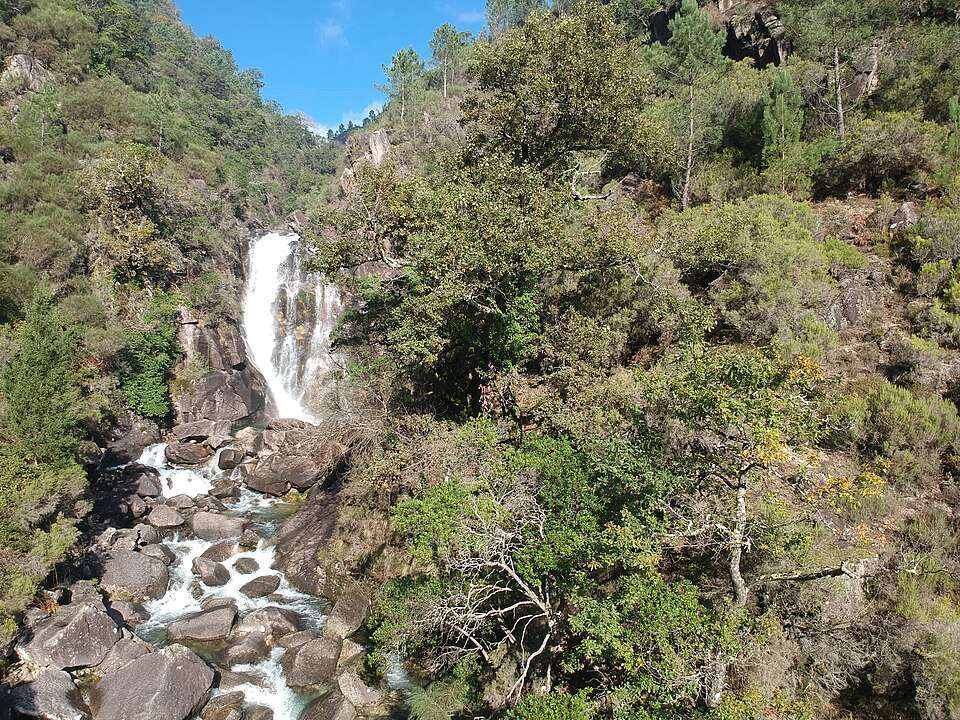
Gerês
Portugal’s Only National Park, Granaries on Stilts
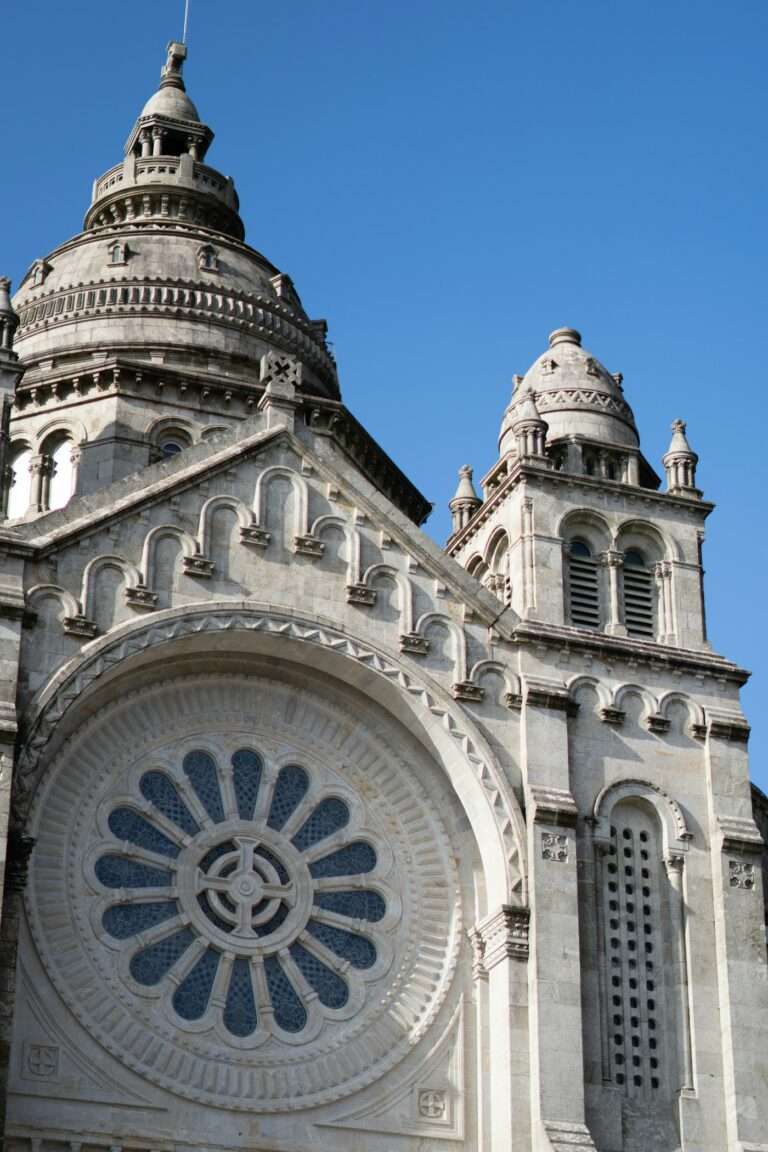
Viana do Castelo
The basilica on the hill and the gold in the windows
The Douro by Train — The Line Is the Destination
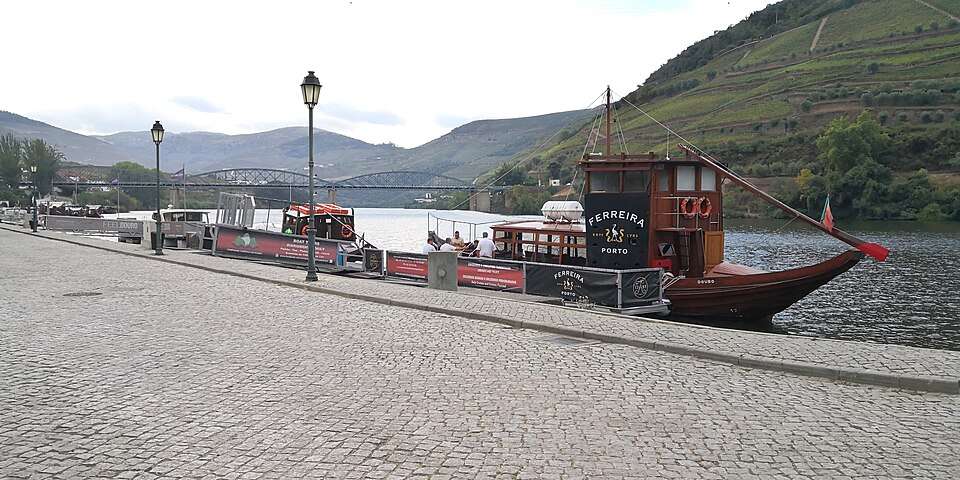
The mechanics first, because they’re gloriously simple: CP’s regional trains run five-to-six times daily from São Bento (or Campanhã) up the Douro — Régua in about two hours, Pinhão in two and a quarter, the Pocinho terminus in three and a half — with tickets bought same-day for under €15 to the very end. The river joins the rails past Marco de Canaveses, and from Régua onward the terraced vineyards fall straight to the water outside the window; beyond Tua the valley narrows into its most dramatic reach.
The classic format: ride to Pinhão — the station itself is the region’s postcard, tiled with harvest-scene azulejos — then walk to a working quinta for a tasting (Bomfim, das Carvalhas, and Noval sit within reach of the platform; book tastings ahead), lunch on the riverfront, and train home in the long light. The train-plus-boat variant adds the Régua–Pinhão river cruise one way (about two hours on the water) with the rails the other — the best DIY combination in northern Portugal.
Three rules apply: sit on the right side heading upriver for the water, book September’s harvest-season everything ahead (vindima is the valley at its best and busiest), and let the schedule breathe — the line is for the unhurried version it was built for.
Read the full Douro Valley day-trip page.
Guimarães & Braga — The Birthplace and the Staircase
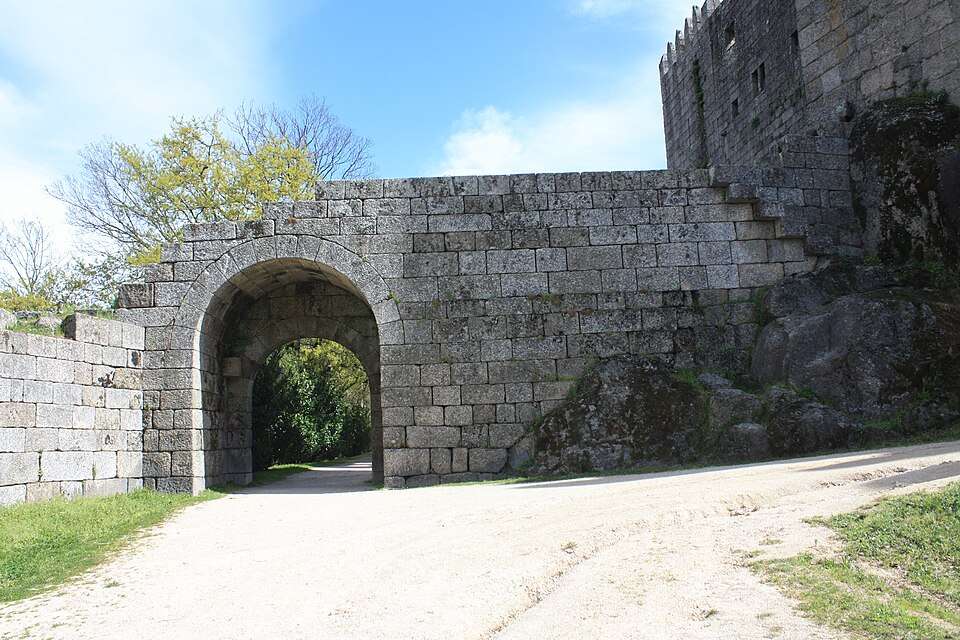
The northern double, forty to fifty-five minutes by train each. Guimarães first: “Portugal was born here,” the wall says, and the town holds the claim — the tenth-century castle where the first king’s story begins, the Palace of the Dukes’ bristling chimneys, and a UNESCO medieval center whose Largo da Oliveira ranks with Iberia’s loveliest squares. The Penha cable car adds the granite-boulder summit for the view; the historic center handles the vinho-verde lunch.
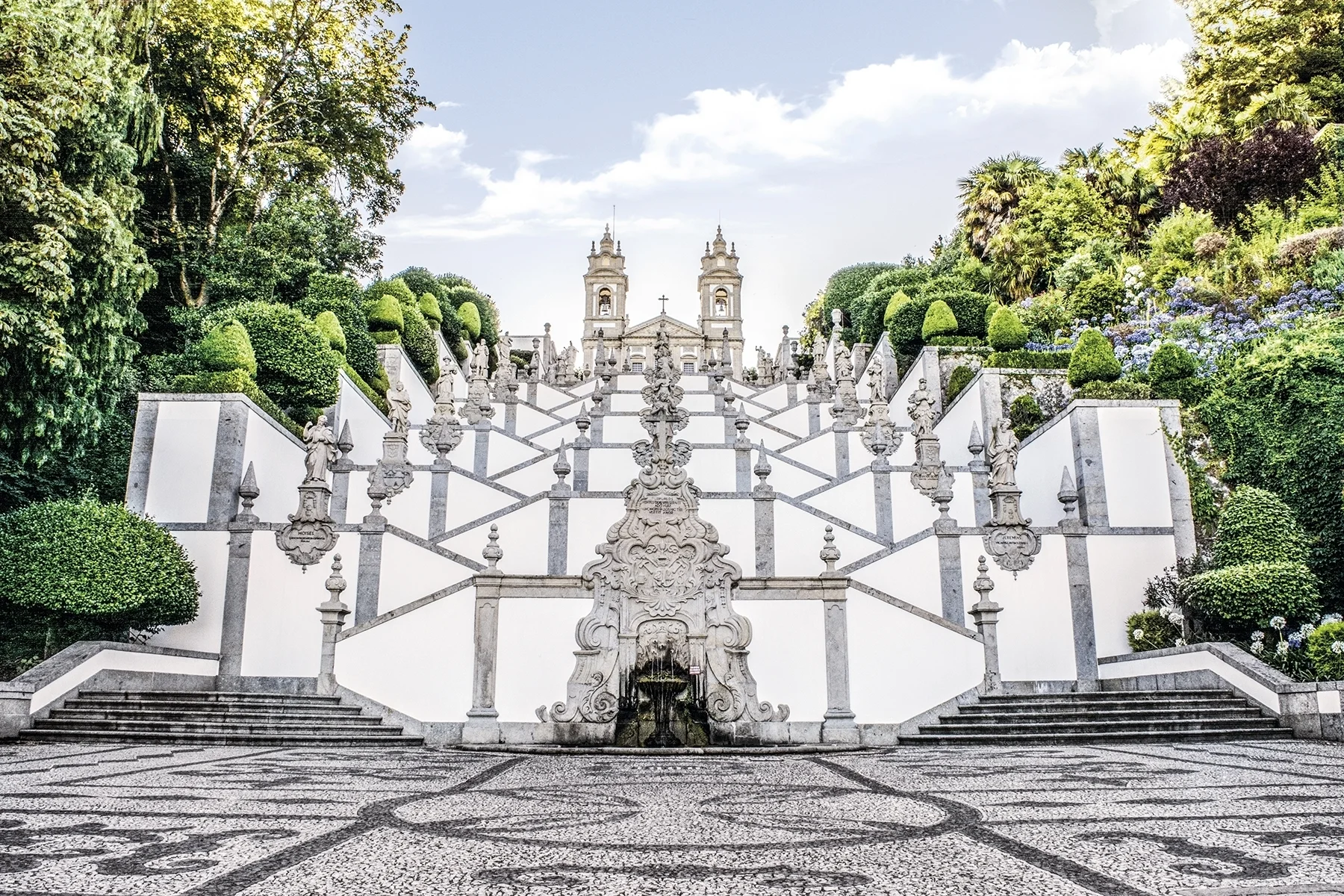
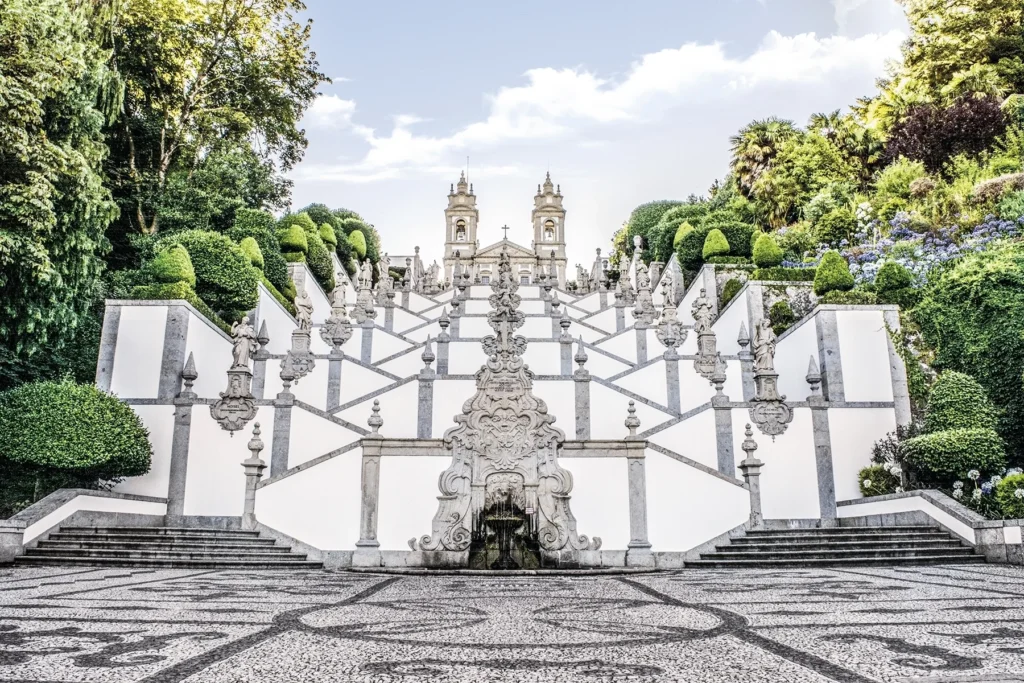
Braga answers with the staircase: the Sanctuary of Bom Jesus do Monte, UNESCO-listed, stacks its Baroque zigzag of chapels, fountains, and allegorical figures 116 meters up the holy hill — climbed as the pilgrims designed it, or ridden on the 1882 funicular, the world’s oldest water-balance lift still working, which is a monument itself for a few euros. Braga’s own center — Portugal’s religious capital, the cathedral its oldest — runs the Sé, the Santa Barbara garden, and a café culture the archbishops never suppressed.
Both towns in one day is done constantly and rushes both; the better plan picks one and adds the other’s headliner — Guimarães-plus-Bom-Jesus works by train and the Braga line-2 bus. Holy Week turns Braga into the country’s great procession city, planned for or around.
Read the full Guimarães day-trip page.
Read the full Braga day-trip page.
Aveiro & Costa Nova — Canals and Candy Stripes
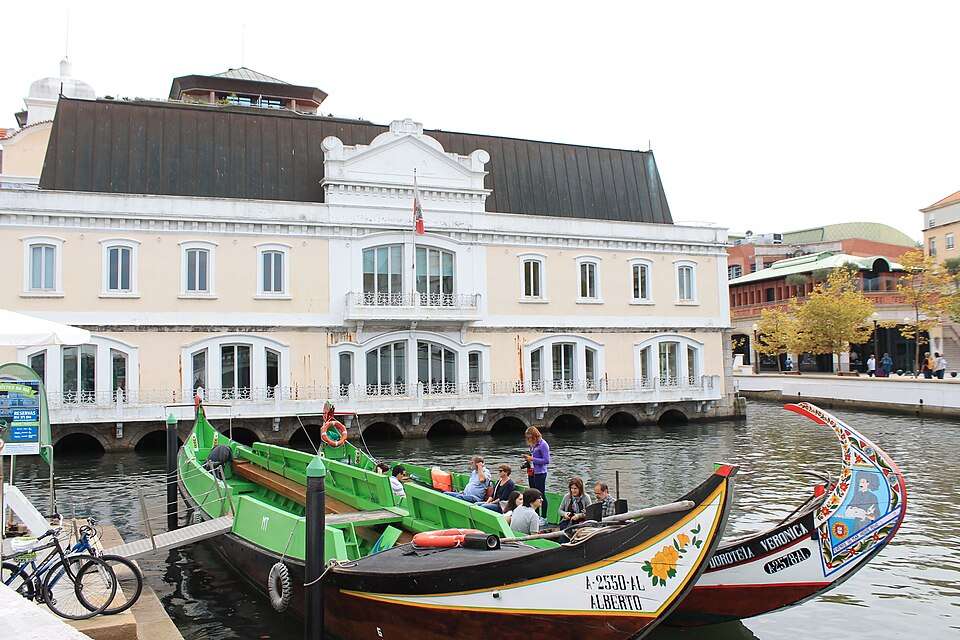
An hour south by direct train, Aveiro is Portugal’s gentlest cliché and knows it: the “Venice of Portugal” tag oversells the three canals, but the moliceiros — the seaweed-harvesting boats repainted in carnival colors and cheerfully suggestive bow art — undersell nothing, and the 45-minute canal loop remains the correct orientation. The Art Nouveau facades along the central canal, the fish market’s grilled lunch, and the salt pans’ flamingo-visited flats fill the town hours.
The sweet obligation: ovos moles — the egg-yolk-and-sugar shells shaped like fish and barrels, invented by convent thrift and protected by EU status — are bought at the source and eaten with espresso, and the sellers will explain the difference between the real article and the imitation with the seriousness the subject calls for.
Costa Nova, fifteen minutes by bus across the lagoon, supplies the image everyone came for: the palheiros — fishermen’s storehouses striped in candy colors, now the most photographed cottages in Portugal — facing the lagoon, with an ocean beach and proper waves across the dune. Town, boats, stripes, beach — the easy, bright, family-proof day, best midweek when the tour vans thin.
Read the full Aveiro day-trip page.
Coimbra — The Library With Bats
An hour south by fast train, Coimbra wears eight centuries of university on its hilltop, and the Joanina Library is the reason to climb: a gilded Baroque hall of 60,000 volumes where a resident colony of bats — genuinely — patrols after hours to eat the insects that would eat the books, a conservation arrangement running since the eighteenth century. The mechanics: entry runs on timed slots with limited numbers (book the university’s combined ticket ahead in season), visits are kept short, and the ticket bundles the Royal Palace’s grand halls and São Miguel chapel.
The circuit: the black-caped students (the traje is daily wear, not costume — Harry Potter borrowed from here, not the reverse), the Sé Velha’s fortress-Romanesque bulk on the stepped lanes, the botanical garden’s terraces, and — across the river — the Portugal dos Pequenitos park of miniature monuments for the traveling-with-children version.
The register note: Coimbra fado is its own tradition — sung by men, historically students, as serenade rather than lament — and hearing it at a dedicated house differs deliberately from Lisbon’s. The frame: library slot booked first, city arranged around it; May’s Queima das Fitas (the students’ ribbon-burning week) floods the town with celebration, chosen or avoided.
Peneda-Gerês — The Wild North
Ninety minutes north, Portugal’s only national park answers the country’s postcard with granite: Peneda-Gerês stacks boulder-strewn heights, oak and pine valleys, and the wild-swimming lagoons that fill Portuguese social feeds every July — plus the garrano ponies and long-horned barrosã cattle that treat the roads as theirs, correctly.
The classic day: the Vilarinho das Furnas reservoir arms and the Tahiti-nicknamed cascades for the swim (arrive early in summer — the beauty is not a secret), the Pedra Bela viewpoint’s 800-meter balcony, and the Portela do Homem’s Roman road markers in the border woods. Soajo and Lindoso, on the park’s Peneda side, add the espigueiros — the communal granite granaries on mushroom stilts, standing in ranks like a stone congregation — for the culture hour.
The rules: this is car-or-tour territory (public transport exists and eats the day), the swimming lagoons carry real currents and cold snowmelt into early summer, park rangers enforce the no-camping and fire rules seriously, and the villages’ café schedules are a rural fact, not a service failure. Nature is the whole point — pack the picnic and the towel, and give the roads’ cattle the right of way they’ve always had.
Read the full Gerês day-trip page.
The Port Sort, the Lello Queue & Porto Itself
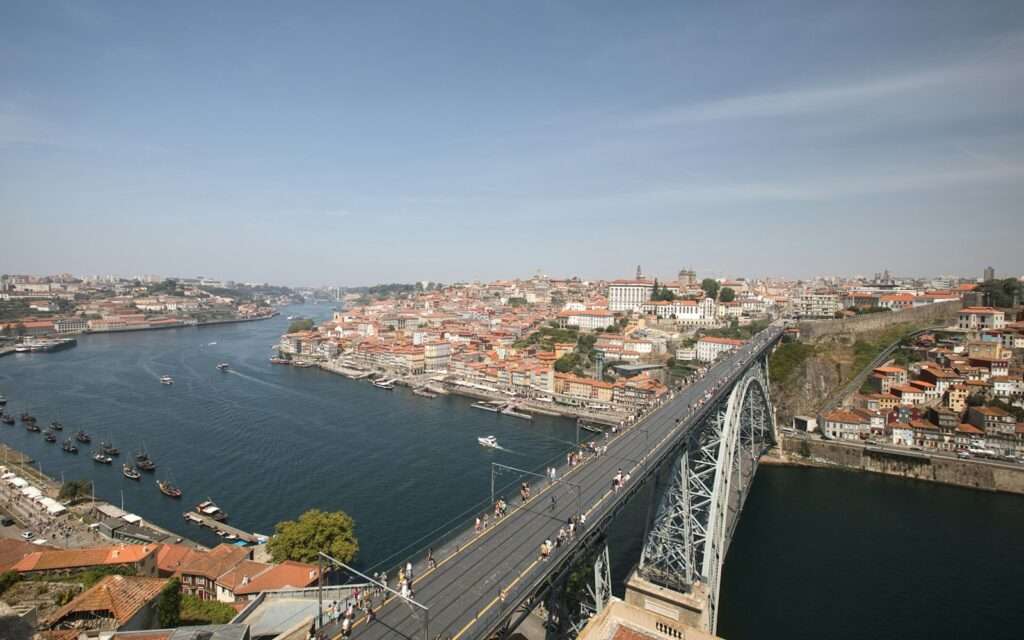
The port-lodge question, sorted: the lodges line Vila Nova de Gaia across the river, and the sort runs from the big houses’ polished tours (Graham’s and Taylor’s for the full cellar-and-view treatment), the mid-size houses for smaller groups and longer pours, and the tasting rooms along the quay for commitment-free flights. Book the named houses ahead in season, learn the tawny-versus-ruby distinction early, and take the upper level of the Dom Luís I bridge across at golden hour — the walk is the city’s best free event.
The Lello truth: the bookshop’s forked crimson staircase is beautiful and mobbed in equal measure — entry runs on a paid voucher (redeemable against a book), the queue forms before opening, and the fifteen minutes inside are worth it to book people and skippable for everyone else. São Bento station’s 20,000-tile atrium delivers comparable azulejo awe for free, no queue.
The eating truths: the francesinha — the meat-stacked, cheese-sealed, beer-sauce-flooded sandwich — is a civic institution and a nap sentence; split one the first time, and accept that every local’s “best francesinha” is their neighborhood’s. Tripas à moda do Porto explains the city’s “tripeiros” nickname with pride; the Bolhão market handles the graze; and vinho verde’s slight fizz is the lunch default. Season math: May–June and September–October are the windows; São João (June 23–24) turns the city into an all-night festival of plastic hammers and grilled sardines — the best city festival in Iberia, planned for deliberately; and the Atlantic mist is structural, burning off by noon and flattering the granite either way.
Frequently Asked Questions
How do you do the Douro Valley by train?
CP regionals from São Bento — about 2h15 to Pinhão, under €15 to the Pocinho terminus, tickets same-day. Sit on the right going upriver, book a Pinhão quinta tasting ahead, and consider the boat one way from Régua for the classic combination.
Is Bom Jesus worth it, and do you have to climb?
Yes, and no — the Baroque staircase is the point, but the 1882 water-balance funicular (the world’s oldest still running) rides to the top for a few euros. Forty minutes to Braga by train, then the line-2 bus to the sanctuary.
How do you see Coimbra’s Joanina Library?
Timed, limited slots — book the university’s combined ticket ahead in season. Visits run short by design, the ticket includes the palace and chapel, and yes: the bats that protect the books are real.
Is Livraria Lello worth the queue?
For book people, the fifteen minutes justify the voucher (it redeems against a purchase). For everyone else, São Bento station’s tiled atrium delivers the azulejo awe free — no line, no voucher.
What is a francesinha?
Porto’s civic sandwich: layered meats sealed in melted cheese and flooded with a beer-and-tomato sauce, usually with a fried egg and fries. Split one the first time, order the sauce “bem regada” when converted, and plan nothing ambitious afterward.